Selling a Mobile Home That Sits in a Park
When you own the home but rent the space under it, a sale involves two parties instead of one: you and park management. Here is how that works in Nevada, and how a cash buyer fits into it.
- Cash buyer for factory-built homes
- Park space or owned land
- Sold as-is, no fixing up
- No agent commission
- You set the closing date
Two parties at the table: you and the park
The home is yours, the space is not
In a land-lease community you hold the certificate of ownership for the structure, while the park owns the lot and collects space rent each month. That split shapes everything about a sale. A buyer is not only purchasing your single-wide or double-wide; in most cases they are also asking to become the park's next tenant on that space. If the home is going to stay where it is, management usually has a say in who moves in.
That is very different from selling a site-built house, and it is also different from selling a manufactured home that sits on land you own outright, where no landlord is involved at all. Knowing which situation you are in is the first step.
It also means a sale has two calendars running at once: yours and the park office's. Planning for both from the first conversation keeps the process from stalling at the last minute, and it gives management time to review the application without anyone feeling rushed.
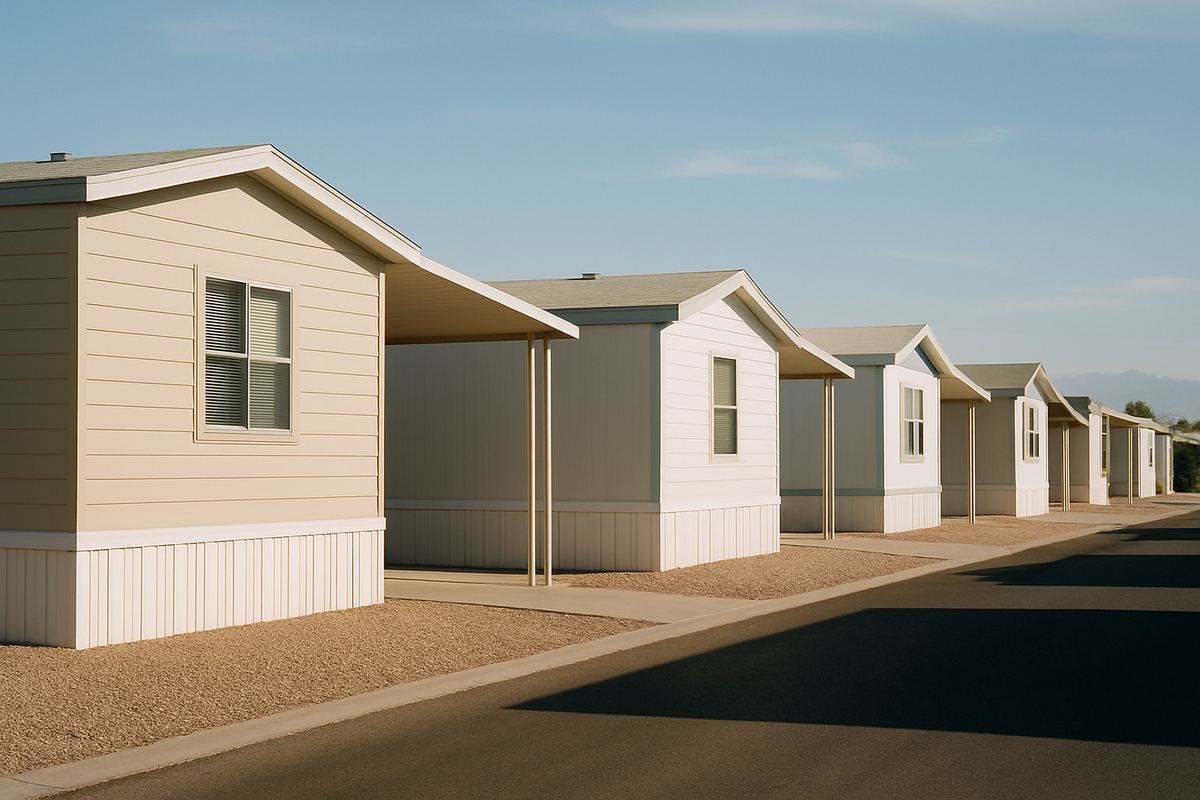
What Nevada law says about approving a buyer
Manufactured home parks in Nevada are governed by NRS Chapter 118B. Our reading of it, which is general information and not legal advice, is that a landlord may require approval of a prospective buyer and tenant before a tenant's home is sold, if the home will remain in the park. The statute also says the landlord should consider the prospective buyer's rent-payment record and may not unreasonably withhold consent. You can read the current text in Nevada's manufactured home park statute; a lawyer or the Nevada Housing Division can tell you how it applies to your specific facts.
Why the entrance sign matters
As we understand the statute, a park that wants to require buyer approval is expected to post a readable sign at the entrance saying so. If you are unsure whether your community requires approval, the entrance and your rental agreement are two good places to look before you start talking to buyers.
The ten-business-day window
The law also appears to set a deadline: once a prospective buyer submits a completed application, the landlord is expected to approve or deny it within 10 business days. In practice, the word "completed" matters, so it helps to get the park's application packet early and fill it in fully.
Condition rules and removal
Chapter 118B also seems to allow a park to require that a home be removed on sale when the park's written rules deem it run-down, in disrepair, or below safety standards. If your home has deferred maintenance, ask management what their written rules say before listing it. Our page on selling a mobile home that needs repairs covers this in more depth.
Tell Us About the Home You Want to Sell
Send the basics and someone from our team looks over the home, the lot or park it sits in, and anything you mention about its condition or paperwork. We call you back with questions before we talk numbers.
Park spaces and owned lots across the Las Vegas valley are both fine with us. If you would rather speak with a person right away, the TALK TO ALEX button in the lower corner rings our line.
Getting the paperwork lined up
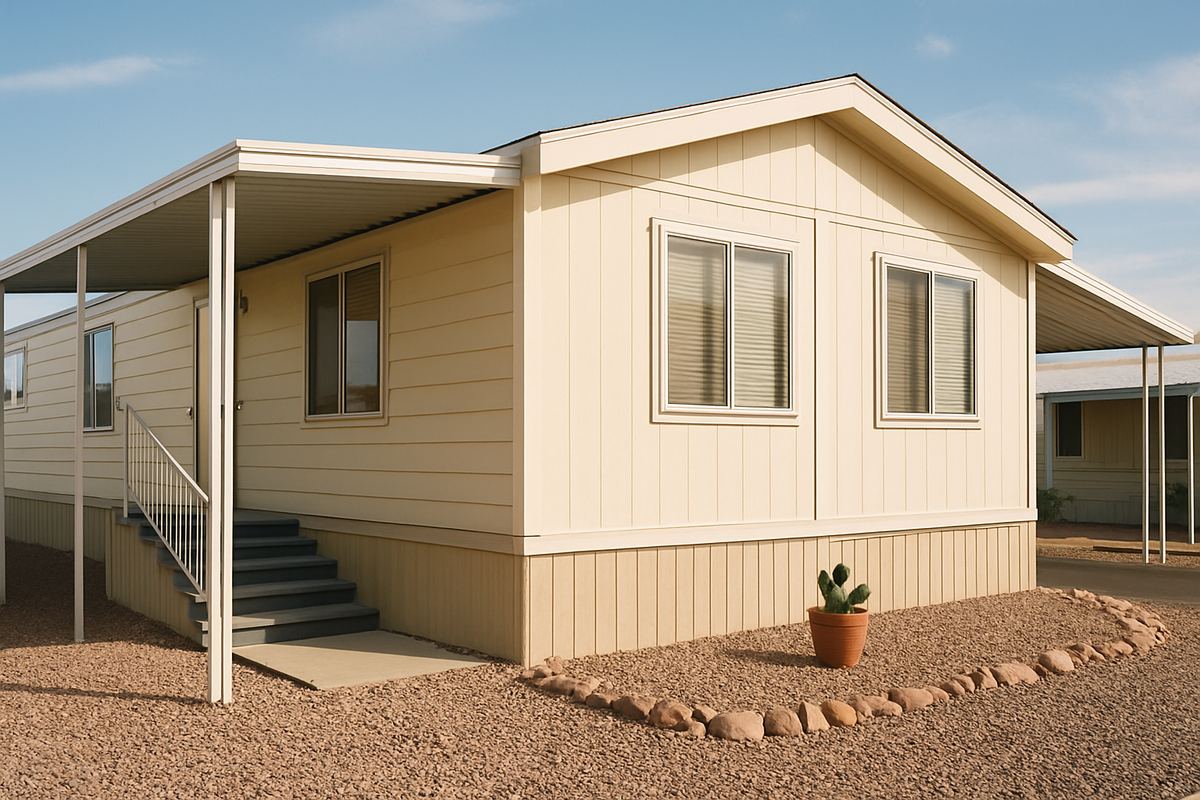
Title and the assessor endorsement
Manufactured home titles in Nevada are handled by the Manufactured Housing Division of the Nevada Housing Division, not the DMV. Before a used home's title can transfer, personal property taxes are generally required to be paid in full and the county assessor's endorsement placed on the title. In Clark County, that endorsement comes from the Clark County Assessor. If your title is missing, in the wrong name, or carries an old lien, our guide to fixing title and paperwork problems walks through the usual fixes.
Age-restricted communities
Some parks around the valley operate as communities for older residents, and their rules on who may live there can affect who is able to buy your home and remain on the space. Ask the office for the current rules in writing so everyone is working from the same page.
How a park-home sale with us unfolds
Every community runs its office a little differently, but a direct sale to us usually follows this order:
- Tell us about the home and the park. Year, size, the community name, and whether you have the title in hand.
- We look at the home in person and ask management for their application packet and any written rules about condition or resale.
- You receive a cash offer for the home as it sits. You skip cleaning and repairs, and no sales commission comes out of the proceeds.
- We complete the park's application and work with the office through its review, while the assessor endorsement and title paperwork are prepared.
- You choose the closing date, sign the title transfer, and hand over the keys.
Our step-by-step selling process explains what each stage looks like on our side.
Things that can slow a land-lease sale
Rent ledger questions
If the space rent account is behind, it is common for management to want it settled or addressed as part of the sale. If that describes you, our page on options when you are behind on space rent lays out what Nevada law says about notices and what choices you may still have.
Other slowdowns tend to be ordinary: an office that only processes applications on certain days, a co-owner who needs to sign, or a title that still shows a lender. None of these are unusual, and none of them mean the sale cannot happen.
We buy park homes across the valley, from the long-established communities along the Boulder Highway corridor in Whitney to the east-side parks of Sunrise Manor and the communities of North Las Vegas. If you are weighing other situations at once, the full list of seller situations is a good place to start.
What helps most is simply starting the park conversation early. A short call or visit to the office to say you are thinking about selling, and to ask for the current application and rules, tends to smooth everything that follows.
Straight Answers for This Situation
Can the park stop me from selling my mobile home?
Under our general reading of NRS 118B, a park can require approval of a buyer who wants to keep the home on the space, but it is not supposed to withhold consent unreasonably. A park may also have written rules about homes in disrepair. If you believe approval is being denied unfairly, the Nevada Housing Division and a Nevada attorney are the right places to ask.
Do I need to pay off the space rent before selling?
Not always, but management commonly expects the rent account to be dealt with as part of a sale, and personal property taxes on the home generally must be paid before the title transfers. Tell us where things stand and we can talk through how the numbers and timing might work in your situation.
Will you move the home out of the park?
Usually our goal is to keep the home on its space, which means going through the park's approval process. Whether a home stays or goes depends on its condition, the park's written rules, and what management will approve. We discuss that openly before you accept anything.
How long does park approval take?
Nevada's statute appears to give a landlord 10 business days to approve or deny a completed application. The real timeline also depends on how quickly the application is completed and how the office operates, so we start that paperwork early.