Selling an Older Mobile Home Built Before 1976
A home's build date decides which rules it was built under, which papers it should carry, and how easily a typical buyer can finance it. Older units still sell; they just sell differently.
- Cash buyer for factory-built homes
- Park space or owned land
- Sold as-is, no fixing up
- No agent commission
- You set the closing date
Why the build date carries so much weight
Mobile home versus manufactured home
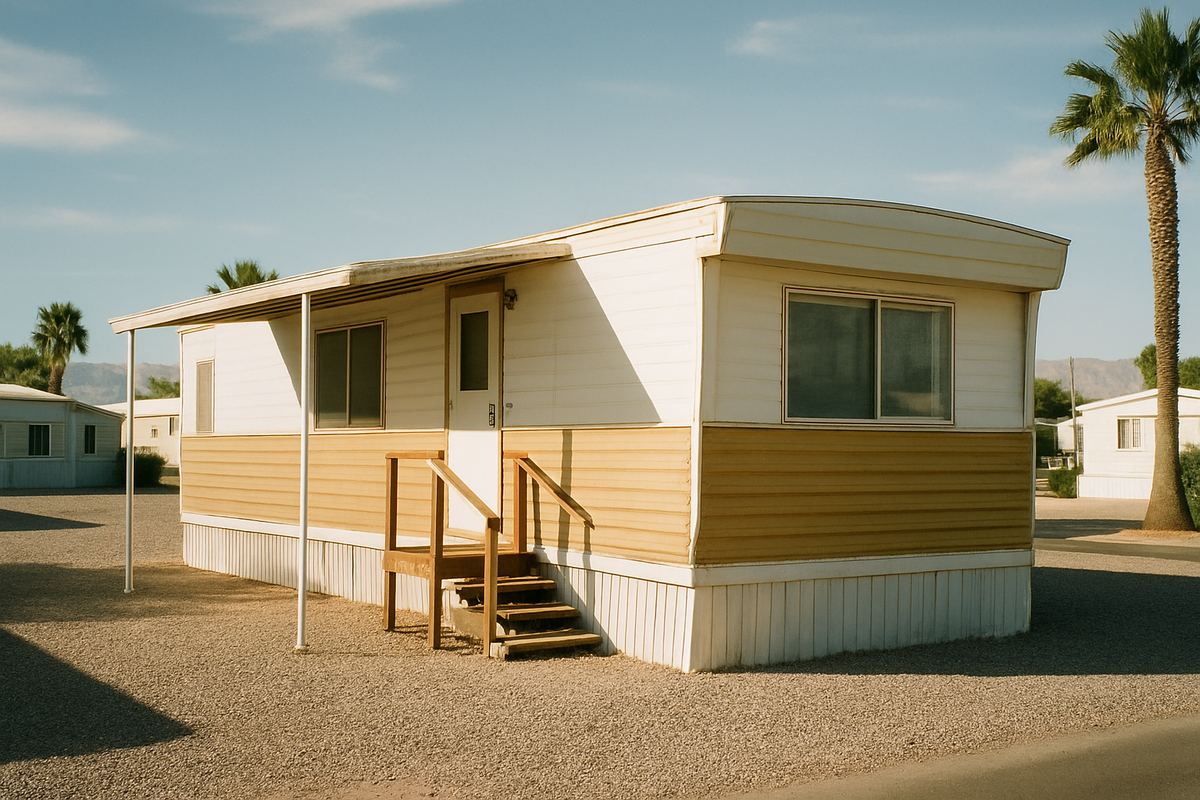
People use the words interchangeably, but there is a real distinction. Homes built after June 15, 1976 had to meet HUD's Manufactured Home Construction and Safety Standards, often called the HUD code. Homes built before that date are generally referred to as mobile homes and were not built to that federal standard. Plenty of pre-1976 units across the valley are still lived in and well cared for; the date simply changes how the market treats them.
The terms matter in conversations with insurers, lenders and park managers, who may use "mobile home" to mean a pre-1976 unit specifically. When you describe your home to a buyer, the build year on the title is the single most useful fact you can share.
Finding out what you actually own
The metal certification label
A HUD-code home carries a small metal certification label, commonly called a HUD tag, attached to the exterior of each section. HUD describes it as the manufacturer's certification that the section was built to the federal standards. Details are on HUD's page about manufactured home labels.
The paper data plate
Inside, HUD-code homes also have a paper data plate, usually found near the electrical panel, inside a kitchen cabinet, or in a bedroom closet. It lists the manufacturer, serial number and label numbers. If you find neither a label nor a data plate, and your title shows a year before 1976, you are most likely holding a pre-HUD mobile home.
When the label is gone
Labels get painted over, removed during skirting or siding work, or lost when homes are moved. For homes built after June 15, 1976, the Institute for Building Technology and Safety can issue a letter of label verification based on the serial number. For homes built earlier, no such record exists, so the state title and the serial number stamped on the frame become the main proof of what the home is.
Tell Us About the Home You Want to Sell
Send the basics and someone from our team looks over the home, the lot or park it sits in, and anything you mention about its condition or paperwork. We call you back with questions before we talk numbers.
Park spaces and owned lots across the Las Vegas valley are both fine with us. If you would rather speak with a person right away, the TALK TO ALEX button in the lower corner rings our line.
Selling a pre-HUD home without a retail buyer
Financing limits for older units
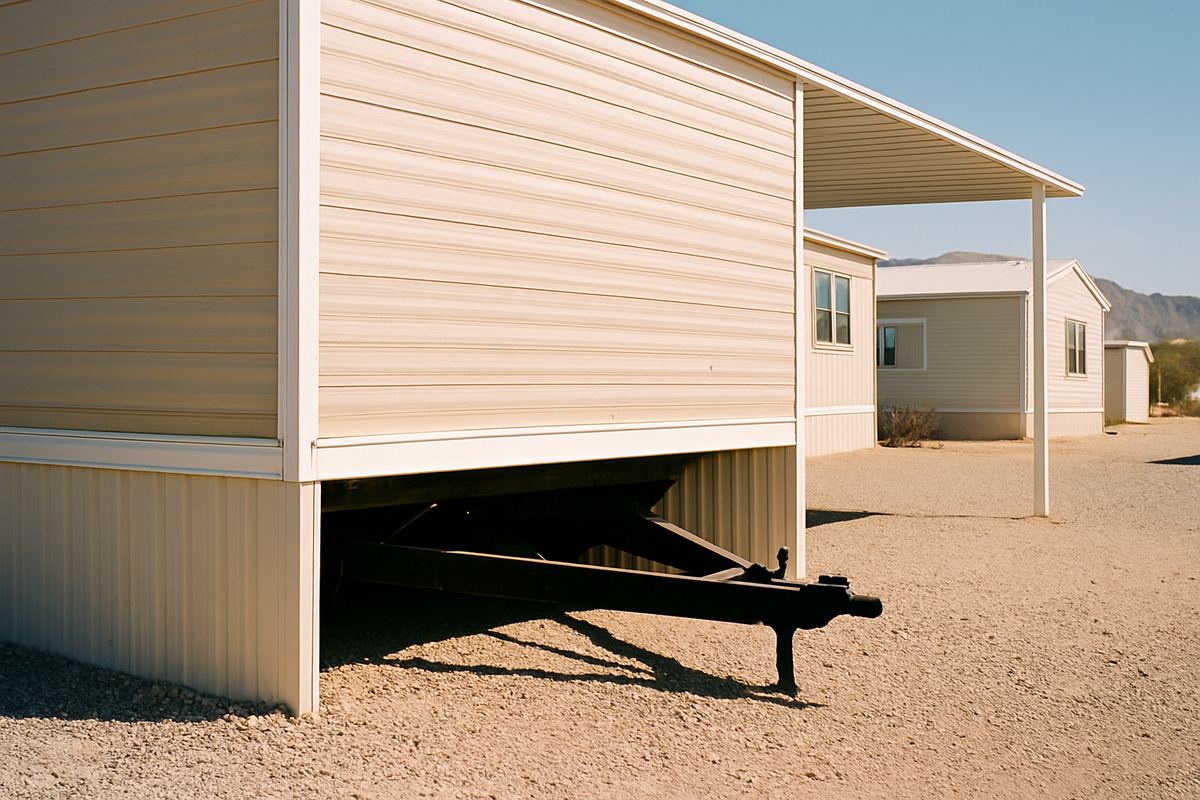
Many loan programs for manufactured housing are built around HUD-code homes, so a buyer hoping to finance an older unit often has few options. That narrows the field to people paying cash, which is exactly why a direct cash buyer can be a practical fit. We purchase older mobile homes in their current state, without repairs or cleaning on your part, and no sales commission comes out of the sale.
Age often comes with wear. If the roof, floors or plumbing need attention, our page on selling a mobile home in poor condition covers why the coach can be sold without fixing anything first.
A cash buyer also avoids the appraisal and inspection hurdles that come with financing. We look at the home ourselves, decide what we can pay, and that is the offer. There is no lender waiting to approve or reject the deal partway through, which can be a relief for owners of older units who have watched financed buyers fall through before.
A step-by-step path for older units
- Find the year and serial number on your certificate of ownership or the frame, even if the label and data plate are gone.
- Check the title record through the Manufactured Housing Division's title search so names and liens are known up front.
- Let us see the home and, if it is in a park, ask management about any written rules for older units.
- Accept or decline a cash offer with no obligation, then choose a closing date that works for you.
If anything on the title looks wrong, read about sorting out a lost or incorrect mobile home title before you worry. You can also review how our cash purchase process runs.
If you are not sure whether your home was built before or after the HUD code took effect, that is fine. Share whatever you have, even a photo of the title, and we can usually work it out together. Uncertainty about the year is common with homes that have changed hands several times.
Making the most of an older home's sale
Older homes often carry upgrades that matter: a newer roof cap, replaced windows, a rebuilt porch, an updated electrical panel or a more recent cooler. Make a short list of whatever you remember changing and roughly when. It helps a buyer understand the home and can make a real difference in how it is valued.
It also helps to know your space or lot details. If the home is in a park, the length of time you have been there, any rules that apply to older homes, and whether management has raised condition concerns are all useful. If the home sits on your own land, have the parcel number handy. With that information in hand, we can usually give you a clear answer quickly.
Older homes and the parks that hold them
Park rules on older homes
Under Nevada's park statute, a park may require removal of a home on sale if its written rules deem the home run-down or below safety standards. Rules vary a great deal from one community to the next, so ask for the current written version. Our guide to how park approval of buyers works covers the rest of that process.
Many of the valley's longer-established parks sit in the east side neighborhoods, including older parks in Sunrise Manor and the communities strung along Boulder Highway through Whitney. Those areas are where older single-wides tend to turn up most, and where we spend a lot of our time. Questions we hear often are answered on our frequently asked questions page.
Straight Answers for This Situation
Can I sell a mobile home built before 1976?
Yes. A pre-HUD home can be sold in Nevada like any other titled manufactured or mobile home, as long as the title can be transferred and personal property taxes are current. The main difference is that fewer buyers can finance it, which is why cash buyers are a common route for older units.
My home has no HUD tag. Is that a problem?
Not necessarily. If the home was built before June 15, 1976, it would never have had one. If it was built after that date and the tag is missing, a letter of label verification can often be requested using the serial number. Either way, we can still look at the home and make an offer.
Will a park let an older home stay after it sells?
That depends on the park's written rules and the home's condition. Nevada law appears to let parks require removal of homes their rules deem run-down or below safety standards. We ask management about this early, so you know where things stand before you accept an offer.