Selling in a Park
You own the home, the park owns the ground. How buyer approval, park rules and the state title fit together when you sell in a land-lease community.
Cash buyer for mobile and manufactured homes in the Las Vegas valley
Call (725) 485-8757Manufactured and mobile home sales rarely look alike. Find the situation closest to yours below, each with its own page covering Nevada specifics and a simple path to a cash sale.
A site-built house usually sells the same way every time. Manufactured and mobile homes do not. The home might be titled with the state like personal property or recorded with the land as real estate. It might sit on a rented space where a park reviews buyers, or on a desert lot you own. It might predate the 1976 HUD code, or have come to you through a relative. Each of these changes the paperwork, the people involved, and who is realistically able to buy.
Sellers in these situations often have the same handful of questions: can the park block a sale, what happens to a title when someone dies, and does an old home even have value. Each page answers those questions for one situation, using Nevada rules where they apply and hedging where the answer depends on your facts.
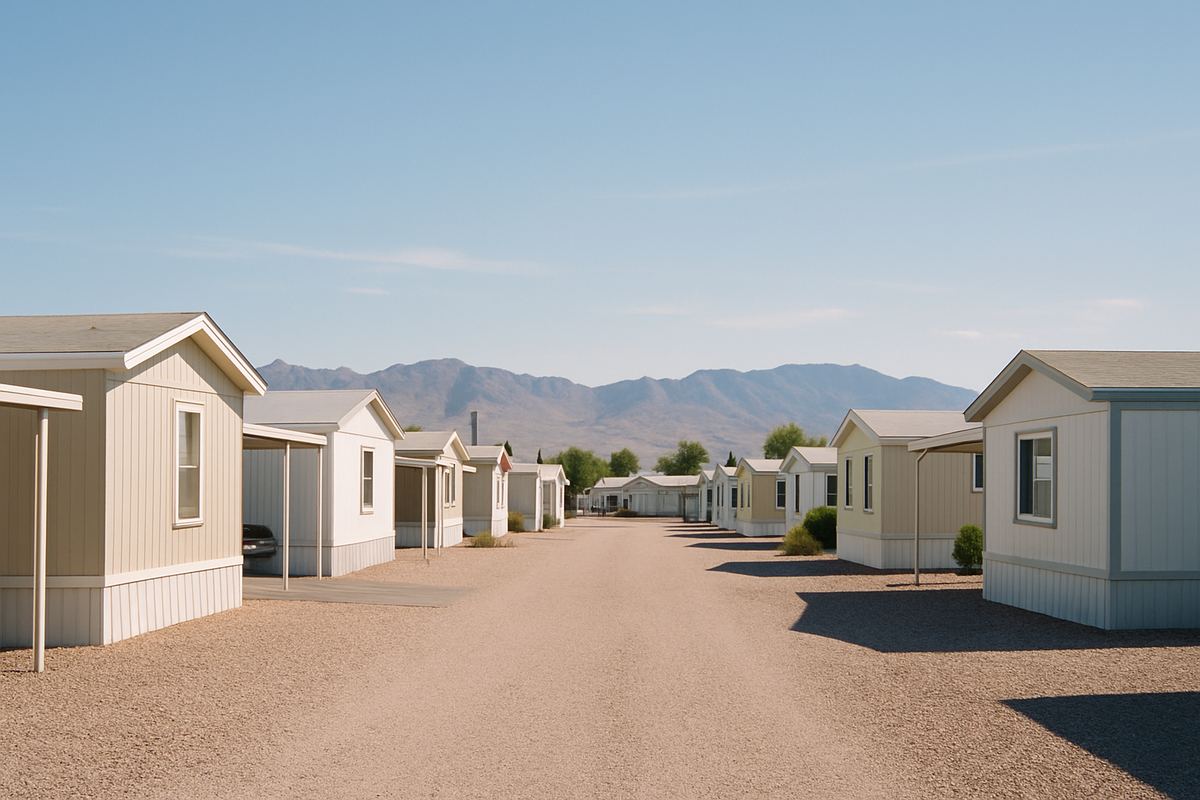
You own the home, the park owns the ground. How buyer approval, park rules and the state title fit together when you sell in a land-lease community.
No park, no space rent, but one big question: is your home recorded as real property or still titled on its own? Here is why that matters.
Why June 1976 is the dividing line for mobile homes, what a missing HUD label means, and how older units can still be sold without a retail buyer.
Heirs face a state title, possibly a park lease, and a home full of belongings. What Nevada typically asks for and how to sell without clearing it out.
Roof leaks, soft spots and tired skirting do not have to be fixed before a sale. How condition affects park approval and why as-is can be simpler.
Late on lot rent? What a Nevada park's written notice means, where tenants can look for help, and when selling the home itself becomes the cleaner option.
Lost certificates, names that do not match, decades-old liens and unpaid tax endorsements: the paperwork snags that stall manufactured home sales, and how they get fixed.
You own the home but rent the space, and Nevada law lets a park require approval of a buyer who wants to stay. Our guide to selling a home in a mobile home park explains the approval window, condition rules and the assessor endorsement.
No park is involved, but you need to know whether the home was converted to real property. Read about selling a manufactured home and its lot together, including wells, septic and acreage.
Older mobile homes were not built to the HUD code and are harder to finance. The page on selling a pre-1976 mobile home covers labels, data plates and park rules for older units.
Heirs usually work through a state title transfer, not a deed. Our page on selling a mobile home left to you lists the documents typically requested and what to do about belongings.
Roof leaks, soft floors and failing coolers do not need fixing first. See selling a manufactured home in as-is condition for why condition matters so much inside a park.
Nevada's park statute sets a written-notice process for unpaid lot rent. Our page for owners behind on mobile home lot rent covers notices, possible help and selling options.
Lost certificates, mismatched names, old liens and unpaid personal property tax are common. Our guide to fixing manufactured home paperwork explains the usual remedies.
Send the basics and someone from our team looks over the home, the lot or park it sits in, and anything you mention about its condition or paperwork. We call you back with questions before we talk numbers.
Park spaces and owned lots across the Las Vegas valley are both fine with us. If you would rather speak with a person right away, the TALK TO ALEX button in the lower corner rings our line.
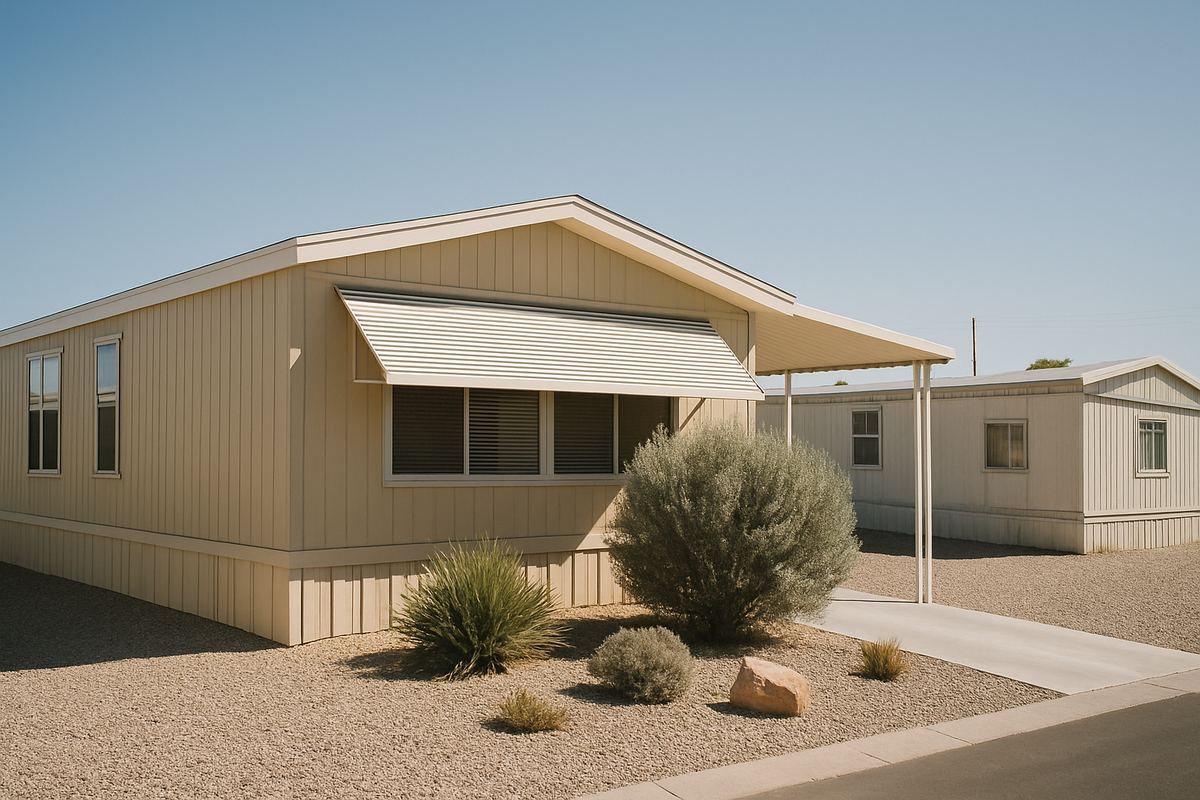
Whatever brought you here, a few things hold steady. We buy mobile homes directly for cash and are local to Nevada. The coach is purchased in its current shape, so there is no cleaning or repair work for you to do, and no sales commission comes out of the proceeds. The closing day is yours to set. And because every manufactured home sale touches the state title, we check the Housing Division's records and the county tax status early, so surprises come out before you have committed to anything.
Nothing on these pages is legal or tax advice. Where Nevada law matters, we summarize it in plain terms and point you to the official source. Our overview of the selling steps shows how a typical sale moves from first conversation to closing.
It also helps to know that you are not locked into anything by reading or asking. Getting an offer costs nothing and carries no obligation. Many owners use it simply to compare against listing with an agent, selling to a neighbor, or holding on a while longer.
We buy across the Las Vegas valley and nearby towns, from the long-established parks of Sunrise Manor and Whitney to homes on acreage in Pahrump. Browse every community on our map of the areas we buy in.
Each area page describes the kinds of homes and communities found in that part of the valley, so you can see whether your neighborhood is one we already know well. If your home sits somewhere not listed, ask anyway.
That is common. An inherited home might also sit in a park, need repairs and have a title in the wrong name. Read the pages that apply, then tell us the whole picture. We look at the home and the paperwork together and explain how each piece would be handled before you decide anything.
Yes. We look at single-wide and multi-section homes, older pre-HUD mobile homes and newer HUD-code manufactured homes, whether they sit in a land-lease community or on land the owner holds. Condition and paperwork affect the offer, but neither rules a home out on its own.
No. These pages summarize Nevada rules in general terms and link to official sources where helpful. For advice about your specific situation, speak with a Nevada attorney, the Nevada Housing Division, or your county assessor. Rules and forms change over time, so confirm current requirements with the right office.